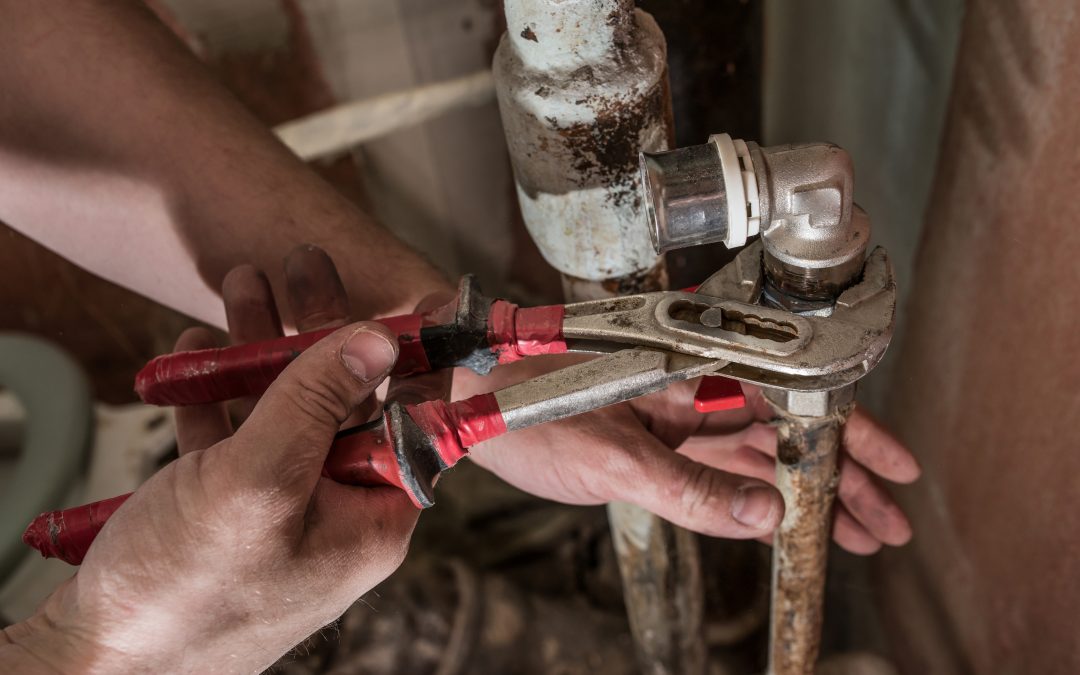
Every homeowner relies on a quality plumbing system to keep their property running smoothly. However, pipes, no matter how durable, have a limited lifespan. Over time, aging, corrosion, and general wear can compromise the safety and efficiency of your water supply. Knowing when to replace your pipes is crucial for protecting your investment, health, and home comfort. Below, I outline six key signs that indicate your house may be due for a pipe replacement.
1. Frequent Plumbing Leaks
-
Recurring leaks are among the most evident signs that your piping system is failing.
-
If you regularly notice wet spots on walls or ceilings, unexpectedly high water bills, musty odors, or water pooling around the foundation, your pipes could be deteriorating from within.
-
While isolated leaks are manageable through repair, persistent ones are often a symptom of system-wide issues that require a comprehensive replacement rather than temporary fixes. Long-term leaks can also cause structural water damage and encourage harmful mold growth.
2. Decreased or Fluctuating Water Pressure
-
Consistently weak or erratic water pressure is more than just an inconvenience; it typically signals hidden leaks, mineral buildup, or pipe corrosion.
-
Aging galvanized steel, iron, or copper pipes may develop interior scaling or rust, which narrows the pipe diameter and restricts flow.
-
If low water pressure is affecting multiple fixtures throughout your home, it often means your pipe system is nearing the end of its lifespan and should be evaluated by a professional.
3. Noisy Pipes (Banging, Whistling, or Knocking)
-
Your plumbing system should run quietly, with the only sound being water flowing smoothly.
-
Squealing, banging, or knocking noises from within walls are often caused by loose fittings, water hammer effects, pressure irregularities, or aging pipe material.
-
Addressing noisy pipes can sometimes involve simple repairs, but if such issues persist or coincide with an older system, replacing your pipes may provide long-term peace of mind.
4. Rust, Corrosion, or Discoloration on Exposed Pipes
-
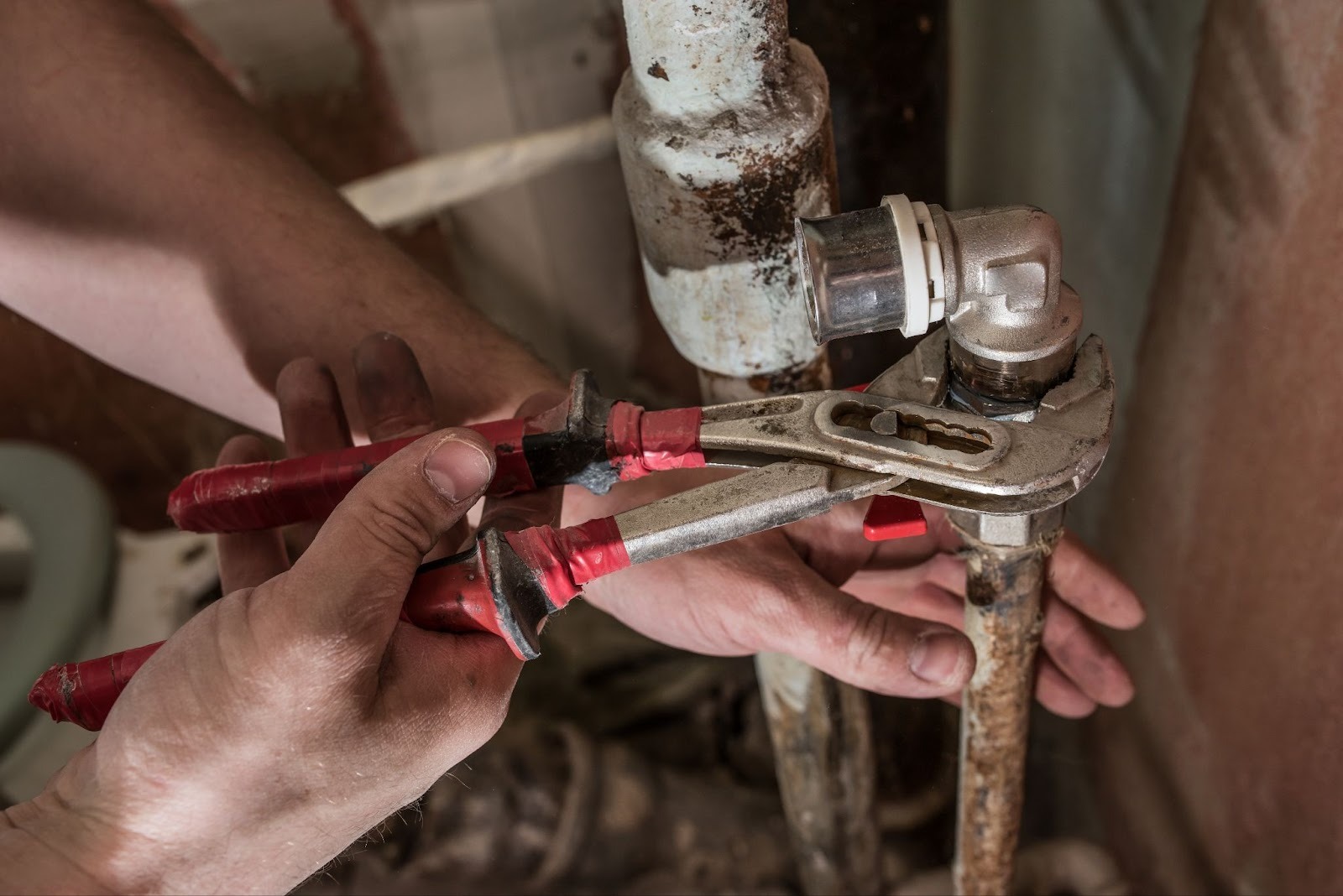
Visible corrosion, rust stains, flaking, or greenish deposits on exposed pipes, often found in basements or utility rooms, are clear indicators that the pipes are deteriorating.
-
Corroded pipes are more prone to leaks and bursts, especially as they weaken over time.
-
Additionally, older pipes made from galvanized steel or, more concerning, lead, should be replaced as soon as possible to ensure water safety.
5. Murky, Discolored, or Foul-Smelling Water
-
Tap water should always be clear and odor-free.
-
Brown, yellow, or reddish water generally reflects rust or corrosion inside your pipes, while unusual tastes or odors could imply bacterial growth or the presence of harmful metals.
-
Such issues are not just a nuisance but a potential health risk, indicating pipes that may be contaminating your water supply.
6. Advanced Age of Pipes and Obsolete Materials
-
The age and material of your plumbing system play a significant role in its longevity:
-
Galvanized steel: 20-50 years
-
Brass: about 40-45 years
-
Copper: 50+ years
-
Cast iron: 75-100 years
-
If your home is older and you suspect your pipes are original, a plumbing inspection is vital. Outdated or unsafe materials, like lead or polybutylene, necessitate immediate pipe replacement to meet modern health and safety standards.
Time to Replace Your Pipes? Contact All A’s Plumbing and Heating
If you notice any of these warning signs in your Randolph, NJ home, now is the time to act before small issues turn into costly repairs. At All A’s Plumbing and Heating, our skilled technicians use video pipe inspections and offer full plumbing repair and water heater replacement services to restore safety and reliability to your home’s water system. Call us today at 973-252-6233 or fill out our online form to schedule an expert evaluation of your pipes.

Recent Comments