
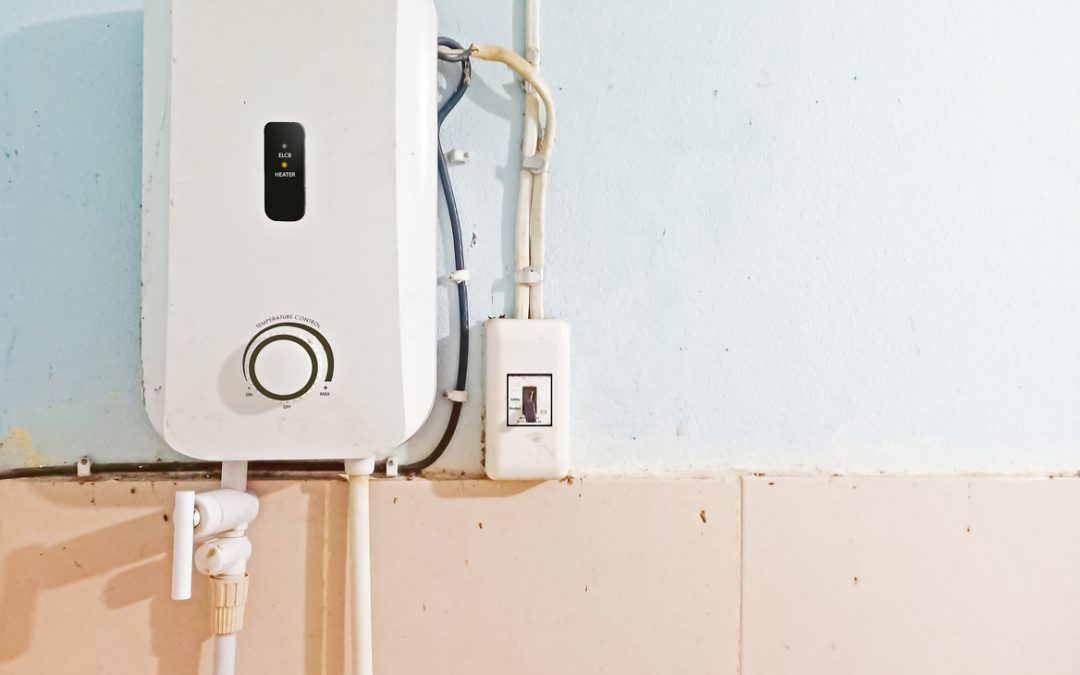
When considering a water heater upgrade or replacement, many homeowners in New Jersey wonder whether a tankless or traditional (storage tank) water heater is the best fit. The answer depends on energy efficiency, upfront cost, available space, lifespan, and your family’s water usage habits. Understanding the differences and advantages of each system can help you make an informed decision tailored to your household, especially factoring in New Jersey’s distinct seasonal temperature changes.
Comparing Energy Efficiency and Cost
Tankless water heaters, also called on-demand water heaters, heat water only as it’s needed. This leads to less energy waste compared to traditional systems, which continuously heat and store a full tank of water. In the colder New Jersey climate, tankless units may work slightly harder during winter, but still often provide greater efficiency year-round. According to the U.S. Department of Energy, tankless water heaters can be 24-34% more energy efficient for homes using small amounts of hot water daily. However, if your family uses large quantities of hot water at multiple fixtures, high-efficiency water heater installation may be needed to meet demand.
Traditional water heaters tend to cost less upfront and are easier to install but have higher operational costs in the long run due to standby heat loss. For homes with old or undersized units, upgrading to a newer high-efficiency tank model can still yield energy savings compared to older models.
Lifespan and Maintenance Considerations
A key consideration for Randolph area residents is lifespan. Traditional water heaters typically last 8-12 years, depending on water quality and maintenance. Tankless models often last 15-20 years with routine descaling and annual service. Hard water, common in parts of Morris County, can affect both systems and may require water softening solutions or more frequent maintenance. While repairs for tankless units can be more involved, their longer service life may offset these concerns for many families.
Space and Installation Factors
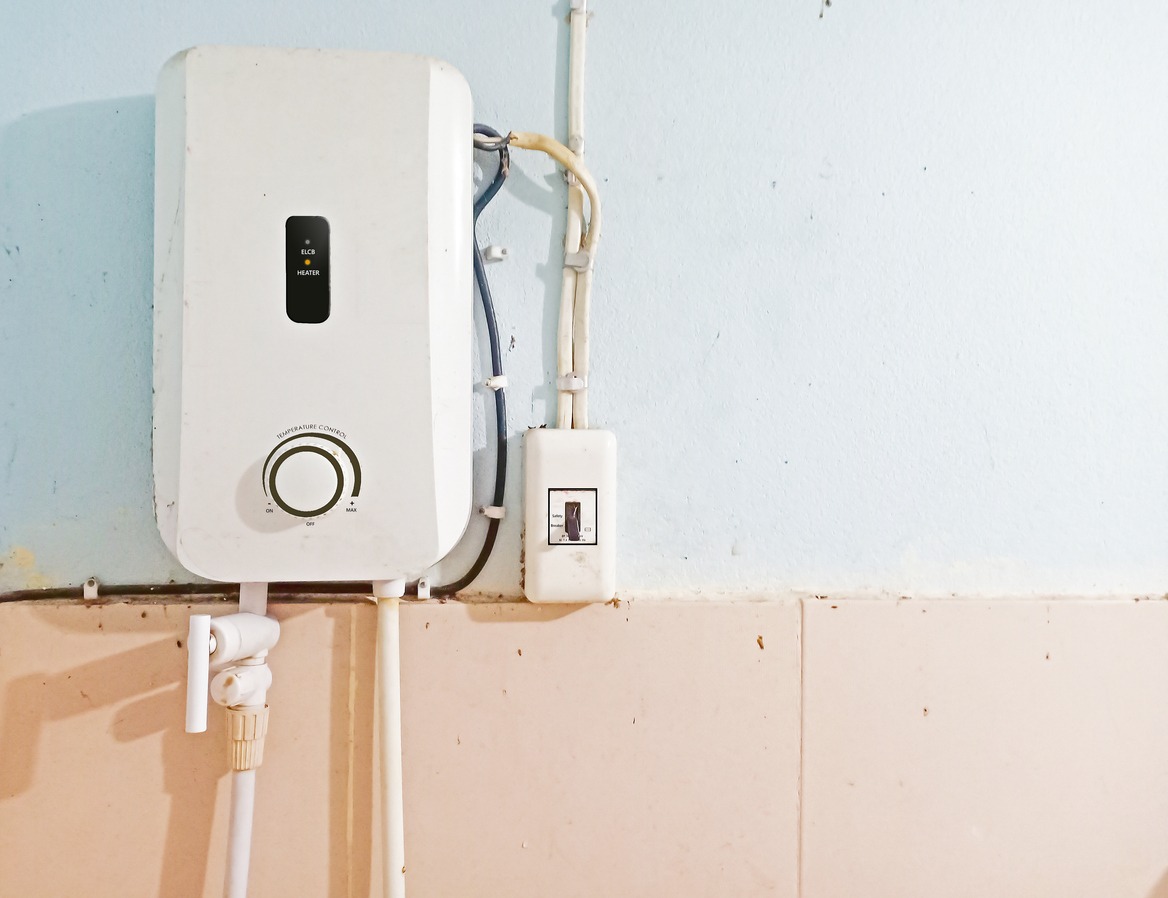
Space constraints are another important factor in New Jersey homes, especially in older properties and townhouses. Tankless systems are wall-mounted and require much less room, meaning they can be installed in small utility closets or even outside (with proper weather protection). Traditional tank heaters require significant floor space and clearance around the unit, which may not always be available in finished basements or tight utility rooms. Tankless water heater installation is more complex and requires an experienced, local HVAC contractor to handle venting and gas line modifications safely.
When Does Upgrading Make Sense?
Upgrading your water heater makes sense if:
-
Your current tank is more than a decade old and showing signs of failure, such as frequent leaks or insufficient hot water during winter months.
-
Space is a premium, and freeing up basement or closet space would allow for other uses.
-
You’re seeking to lower utility bills, reduce environmental impact, and take advantage of rebates that New Jersey utilities occasionally offer for high-efficiency upgrades.
-
You notice rising repair bills or have been advised by a plumber that your current system is nearing the end of its serviceable life, an assessment that All A’s Plumbing and Heating can provide during a routine water heater repair.
Contact All A’s Plumbing and Heating: Your Local Randolph, NJ Water Heater Experts
If you’re considering a switch from traditional to tankless water heaters or need guidance determining the best model for your New Jersey home, contact All A’s Plumbing and Heating today. Our experienced team offers complete water heater installation, repairs, and maintenance to Randolph, NJ and the surrounding areas. Call us at 973.252.6233 or fill out our easy online form to schedule your consultation.
Recent Comments