Gas lines are an essential yet often overlooked component of residential plumbing. The proper installation and maintenance of gas piping help keep your family safe and your home functioning efficiently. Homeowners frequently have questions about gas plumbing safety, from how gas lines work to what warning signs might signal a problem. In this practical guide, I will discuss the essentials of gas line safety, common installation pitfalls, recommended safety checks, and how to ensure you receive reliable service for your gas line needs.
Understanding the Basics of Residential Gas Lines
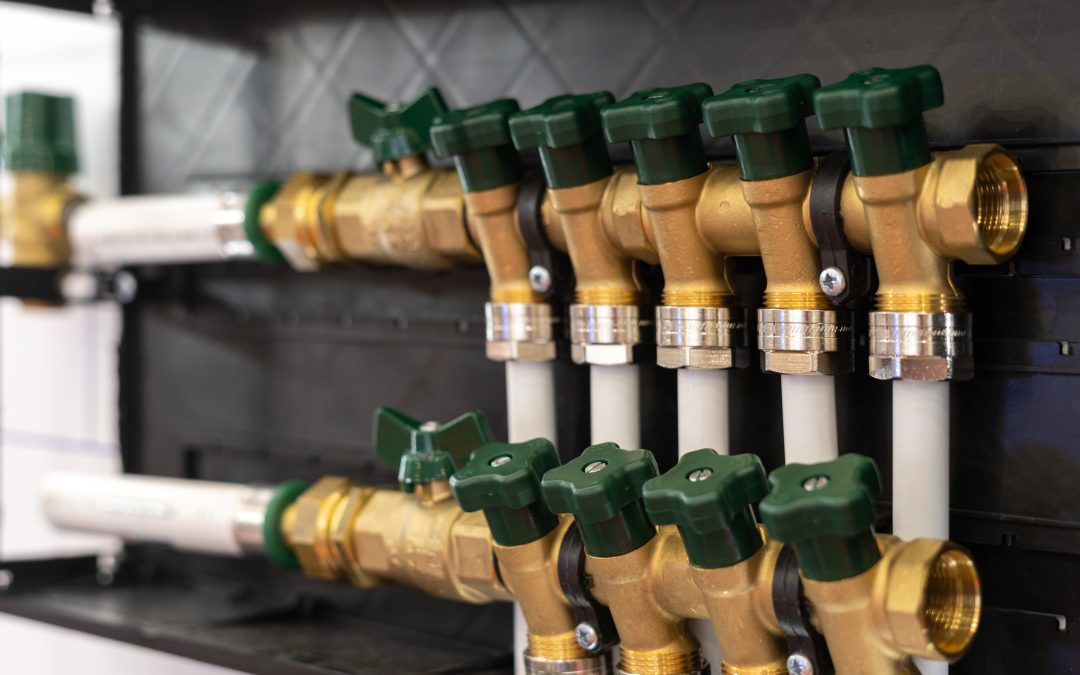
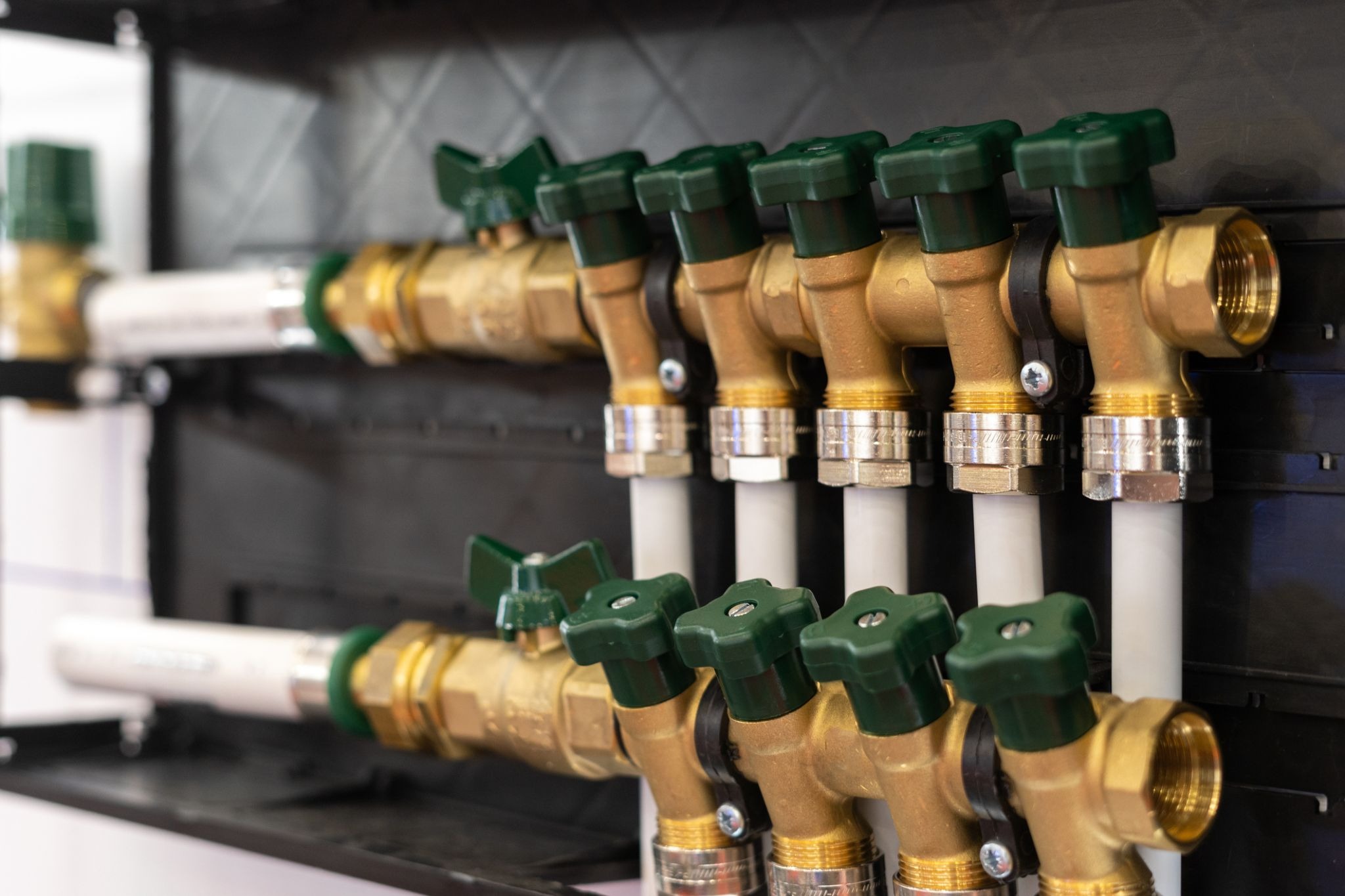
Gas lines transport natural gas from your municipality’s supply to various locations in your home, such as furnaces, water heaters, and kitchen appliances. Most residential gas lines are made from black steel, copper, or flexible corrugated stainless steel tubing. Having a fundamental understanding of this system can help you recognize when you need professional support.
Key gas line basics include:
-
Gas lines operate under pressure, and leaks or damage can present serious hazards, including fire or carbon monoxide exposure.
-
Appliance connectors and shut-off valves are critical parts of the system and are required by code for safety and servicing.
-
Regular inspections are vital, as undetected corrosion, improper fitting, or material aging can create risks over time.
Common Gas Line Installation Mistakes to Avoid
The installation of gas piping is not a DIY project for most homeowners. Even minor mistakes can compromise safety and lead to expensive repairs.
Some common mistakes I often encounter include:
-
Using incorrect pipe materials, such as galvanized pipe in places where it is not code-compliant.
-
Failing to properly tighten or seal joints, which can lead to slow gas leaks.
-
Neglecting pressure tests after installation, meaning issues go undetected.
-
Installing gas lines too close to sources of heat or ignition, increasing fire risks.
-
Omitting drip legs, which are installed to catch moisture and debris in the line.
By hiring certified professionals, you minimize these risks and ensure code-compliant, long-lasting service for your gas lines.
Gas Line Safety Checks Every Homeowner Should Perform
Safety is an ongoing responsibility, not a one-time task. In between professional inspections, every homeowner should remain vigilant for warning signs and perform certain visual checks.
Recommended safety checks include:
-
Routinely smelling for the presence of mercaptan, the additive that gives natural gas its distinctive rotten egg odor.
-
Inspecting visible gas lines for corrosion, rust, or loose fittings.
-
Listening for unusual sounds, like a hissing noise, near appliances and pipes that may indicate a leak.
-
Ensuring all gas appliances have proper ventilation and regularly checking for blocked vents.
If you notice any irregularities, evacuate your home immediately and call your gas utility provider, then consult a licensed plumber for a thorough inspection.
All A’s Services for Safe Gas Line Installation and Maintenance
When it comes to maintaining the safety and efficiency of your gas system, working with a trusted plumbing contractor is essential. I recommend scheduling annual inspections, especially before the winter season when heating systems experience higher usage.
At All A’s Plumbing and Heating, we offer comprehensive services including gas line installation, gas piping repair, and emergency plumbing solutions. Our work is performed by fully licensed professionals who follow local codes and manufacturer guidelines, offer pressure testing, and use only approved materials.
Contact All A’s Plumbing and Heating for Gas Line Safety in Randolph, NJ
If you are a homeowner in Randolph, NJ and want to ensure your gas lines are safe and compliant, rely on All A’s Plumbing and Heating. Call us today at 973.252.6233 or fill out our convenient online form to schedule a consultation or request service. Your safety is our top priority.
Recent Comments