When your home’s drains slow or stop entirely, knowing which drain cleaning method to use can mean the difference between a simple fix and a disruptive plumbing emergency. Modern residential plumbing systems are designed to keep waste and water moving smoothly, but everyday use can still lead to clogged kitchens, clogged bathrooms, and even blocked main sewer lines. Understanding the capabilities and limitations of each cleaning method is crucial for homeowners who aim to maintain a healthy plumbing system and avoid costly repairs down the road.
Manual Tools: Plungers, Snakes, and Augers
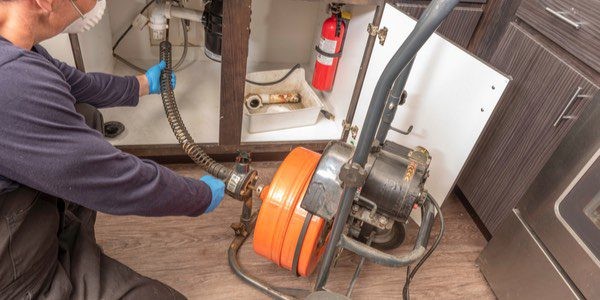
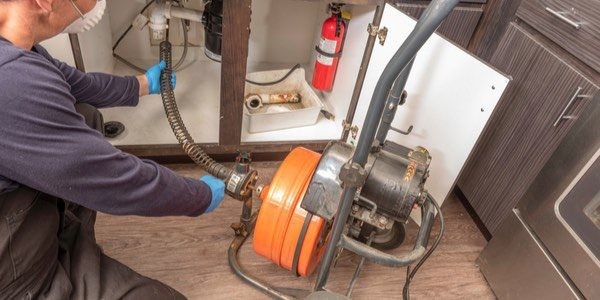
For minor clogs, the household plunger is often the first tool used. Plungers work by creating suction and pressure changes to dislodge hair, paper, or food particles caught near the drain opening. When a clog is lodged further down the line or isn’t budged by plunging, plumbing snakes and augers are the next step. A drain snake is a flexible, steel cable that’s turned into the pipe to break apart or hook debris. Augers, a more robust form of manual snake, are particularly effective for clearing clogged toilets and short-distance blockages. These methods are ideal for:
-
Hair and soap buildup in bathroom drains
-
Small food remnants in kitchen sinks
-
Toilet paper or waste clogs
However, while snaking and augering can unblock localized obstructions, they may leave behind grime on pipe walls. Regular use of these manual tools is generally safe for most pipes, but they are not effective for significant buildup or roots deeper in the main sewer line.
Hydro Jetting: Power and Precision for Deeper Cleaning
For more persistent or recurring drain problems, professional plumbers often recommend hydro jetting. This advanced method uses high-pressure water streams, sometimes up to 4,000 PSI, to scour the inner walls of pipes clean. Hydro jetting doesn’t just punch a hole through the clog, it flushes out accumulated grease, soap scum, sludge, and even invasive tree roots, restoring pipes to near-original capacity. Some situations that call for hydro jetting include:
-
Thick grease or sludge in kitchen lines
-
Tree roots infiltrating sewer pipes
-
Major buildup throughout the home’s main sewer line
It’s crucial to inspect pipe integrity before hydro jetting, especially in older Randolph homes with clay or aging cast iron lines, to ensure the pipe can safely withstand high water pressure. Hydro jetting is a sustainable, chemical-free solution that can provide long-lasting results, significantly reducing the risk of repeat blockages.
Chemical and Enzymatic Cleaners: Use With Caution
Many hardware stores sell chemical drain cleaners, promising quick fixes for clogs. These products use caustic or acidic agents to dissolve organic blockages (like hair or soap), making them tempting for a fast solution. Some enzymatic cleaners, which rely on natural bacteria and enzymes, are gentler and suited for slower acting, routine maintenance on organic material. However, these substances do not break up non-organic debris and have limited effect on stubborn or deep-seated clogs.
Plumbers generally caution against regular use of harsh chemicals since they can corrode older metal or plastic pipes and contaminate local water systems. If you are considering a store-bought cleaner, consult a professional plumber first to avoid unnecessary damage and prioritize safer, more effective options like drain cleaning services.
Advanced Techniques: Camera Inspections and Flex-Shaft Tools
Occasionally, the source of repeated clogs or slow drains isn’t clear. In these cases, camera inspections provide invaluable information. Licensed plumbers thread a tiny, waterproof video camera into the pipes to visually inspect blockages, breaks, or root intrusion without invasive digging. This precision allows plumbers to tailor their approach and recommend the most appropriate method, minimizing disruption to your home.
For very tough blockages such as mineral deposits, rust, or thick roots in the line, flex-shaft chain machines may be used. Rotating chains scrape and polish the internal pipe surfaces and are especially effective in older systems, prepping lines for potential repairs or pipe lining.
When to Call a Professional for Drain Cleaning
While some homeowners can clear minor blockages themselves, any recurring, severe, or deep clog should be addressed by a licensed plumber. Persistent slow drains, foul odors, or water backups signal issues in the main line or more extensive buildup, requiring specialized equipment and professional expertise. Only a skilled team can determine whether snaking, hydro jetting, or another method provides the permanent relief your plumbing needs.
Contact All A’s Plumbing and Heating Today in Randolph, NJ
If you are experiencing clogged drains, slow sinks, or sewer backups in Randolph, NJ, All A’s Plumbing and Heating is ready to help with expert camera inspections, advanced drain cleaning, and full-spectrum residential plumbing. Call us today at 973-252-6233 or fill out our online form to schedule service. Let our local, licensed professionals restore your drains and keep your home’s plumbing flowing smoothly.

Recent Comments