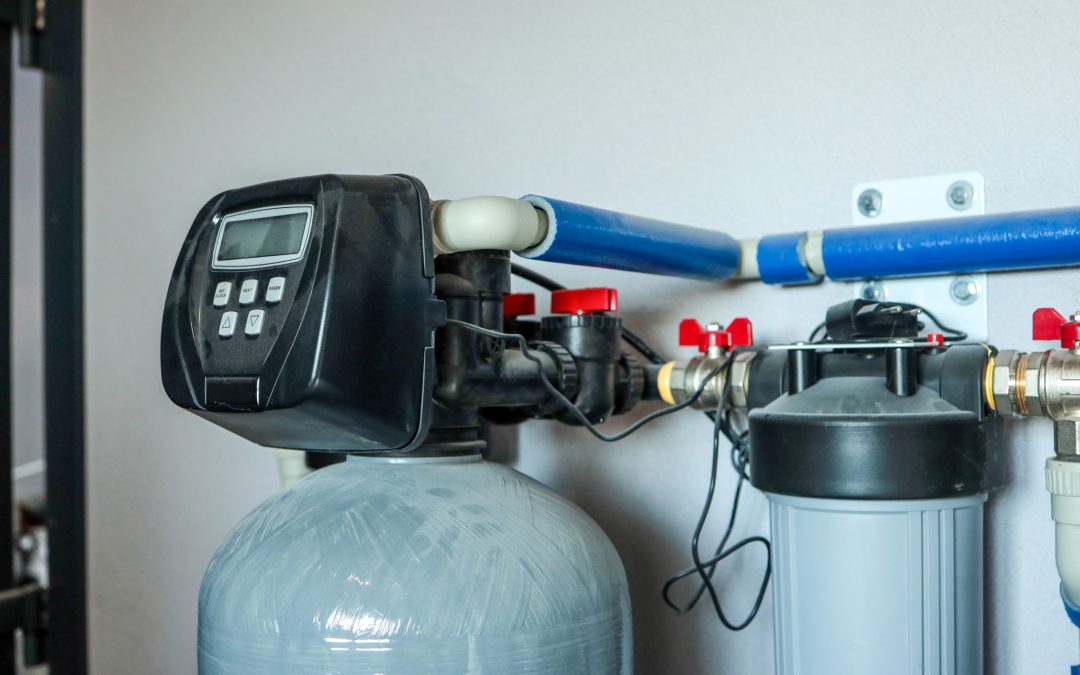
Clean water is something most of us take for granted until we notice an odd taste, stubborn mineral buildup, or recurring plumbing problems. With growing concerns about water quality, water treatment systems are becoming less of a luxury and more of a necessity. But is a whole-home water treatment system truly essential? Let’s examine the key benefits, the available system types, and how water quality directly impacts both the health of your plumbing and your family’s wellbeing.
The Benefits of Whole-Home Water Treatment
Investing in a whole-home water treatment solution delivers significant benefits that go well beyond taste and odor improvement:
-
Protection from contaminants, such as lead, chlorine, and sediment, often present in municipal water supplies.
-
Enhanced lifespan of appliances, like dishwashers and water heaters, by greatly reducing scale and corrosion.
-
Improved water clarity and flavor, making drinking and cooking water more appealing.
-
Reduced skin and hair irritation, which can be aggravated by hard water or chemical additives.
-
Peace of mind knowing your water is consistently safe for all daily uses.
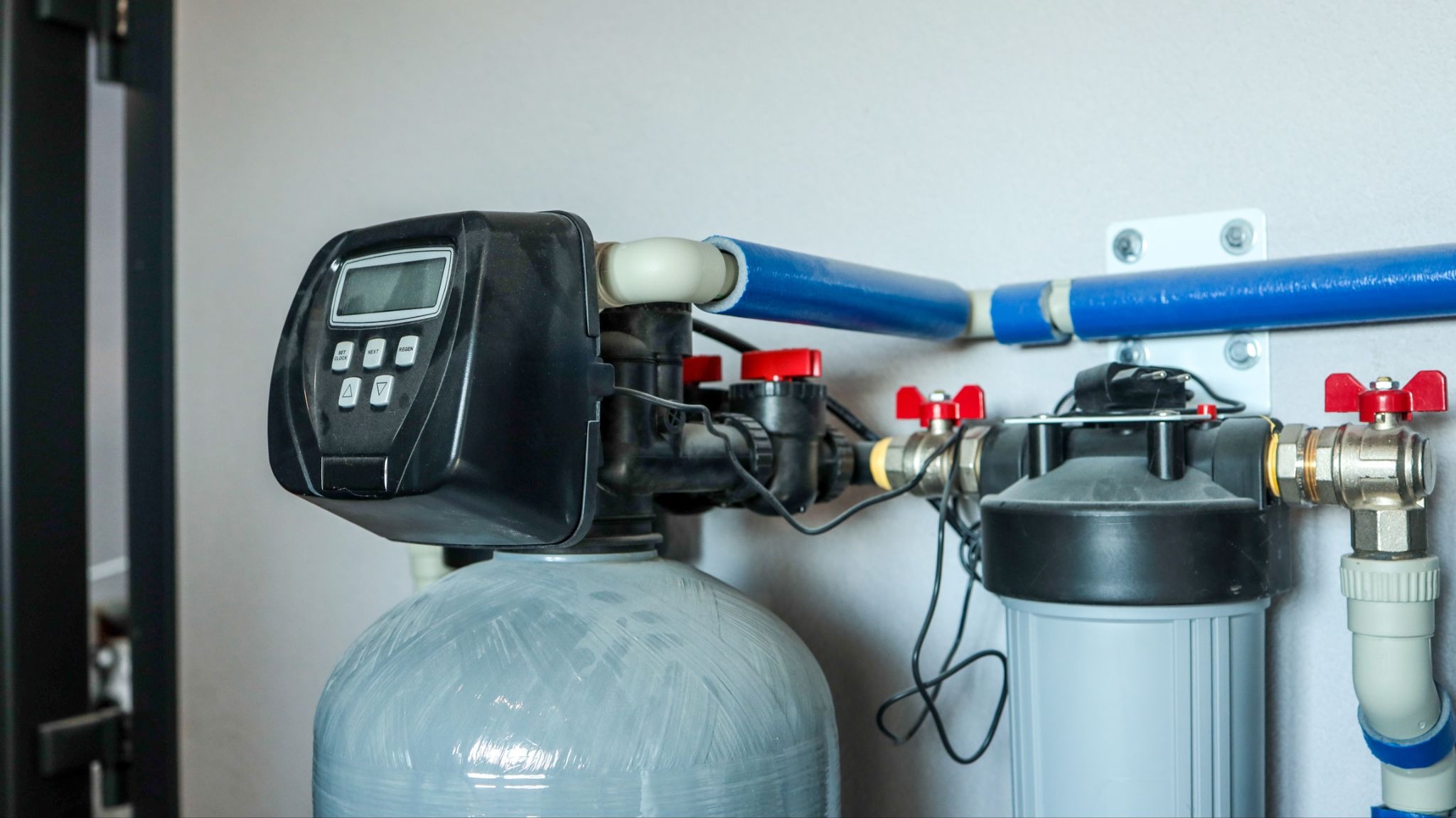
A quality water filtration system installation lets you enjoy fresh, filtered water at every tap, offering long-term cost savings and health benefits.
Comparing Water Treatment Options: Filters vs Softeners vs UV Systems
Not every water treatment system addresses the same issues. Here’s a breakdown of common options:
-
Water Filters: These are designed to remove impurities like chlorine, sediment, heavy metals, and some microorganisms, improving taste, smell, and overall safety.
-
Water Softeners: Primarily used to reduce hardness caused by calcium and magnesium, softeners help prevent scaling that can damage pipes and shorten appliance life.
-
UV Water Purification Systems: Ultraviolet systems target biological contaminants, such as bacteria and viruses, by exposing water to UV light, effectively neutralizing pathogens without chemicals.
Choosing the right system depends on the specific contaminants present in your water supply and your primary concerns, such as taste, hard water, or biological safety.
How Water Quality Impacts Plumbing and Health
Water that contains high levels of minerals, chlorine, or other impurities can take a serious toll on your home’s plumbing system:
-
Hard water accelerates buildup inside pipes and appliances, leading to inefficient heating, poor water pressure, and costly repairs.
-
Corrosive elements can damage pipes and increase the likelihood of leaks.
-
Poor water quality can contribute to dry, irritated skin and worsen conditions for individuals with sensitivities or allergies.
Filtering your water supply not only prolongs the life of your plumbing repair and replacement investments but also helps protect the health of your household.
When to Call a Professional Plumber for Water Treatment Solutions
If you’ve noticed persistent stains, odd tastes, cloudy water, or scaling on fixtures, it’s time to consider a comprehensive plumbing service assessment. Even if your water seems fine now, periodic testing can reveal hidden contaminants. Certified local plumbers have the expertise to test your water, interpret results, and recommend the most suitable, long-lasting system for your needs.
Schedule Your Water Quality Assessment in Randolph, NJ Today
If you’re ready to safeguard your home with a professionally installed water treatment system, All A’s Plumbing and Heating has the right solutions for Randolph, NJ homeowners. Our team of licensed plumbers will evaluate your current water quality and recommend the best system based on your needs and budget. Call us at 973.252.6233 or fill out our convenient online form to schedule your water quality assessment and learn about the benefits of cleaner, safer water for your household.
Recent Comments