Low water pressure can be frustrating, disrupting daily tasks such as showering, laundry, and dishwashing. Several issues within your home’s plumbing system or the surrounding water supply can contribute to this problem. Understanding the potential causes is the first step toward restoring strong, consistent water flow.
Common Culprits Behind Low Water Pressure
Low water pressure can result from various plumbing issues or changes within the local water supply. Here are some of the most common sources to consider.
Clogged Water Pipes
Hard water minerals can accumulate inside pipes over time, narrowing the passageway and reducing flow. Severe buildup often requires professional inspection and possible pipe replacement to restore proper pressure.
Issues With the Pressure Regulator
Some homes are equipped with a pressure regulator to prevent excessively high pressure. If this device fails or is incorrectly set, it can cause low pressure throughout the home. A plumber can test and adjust or replace the regulator as needed.
Pipe Leaks
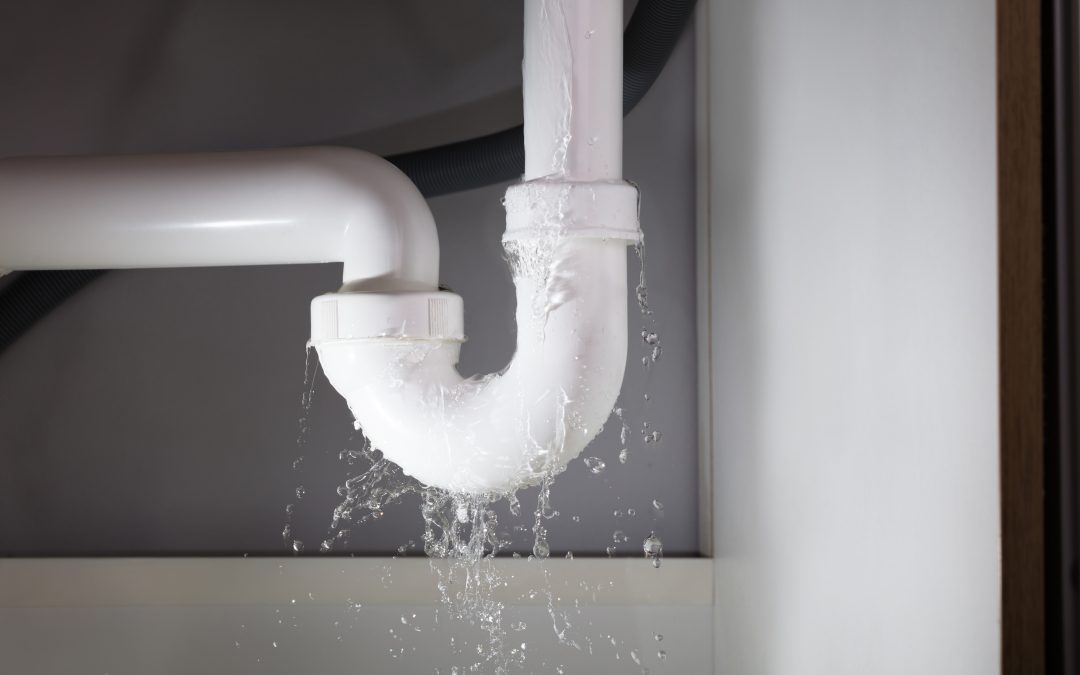
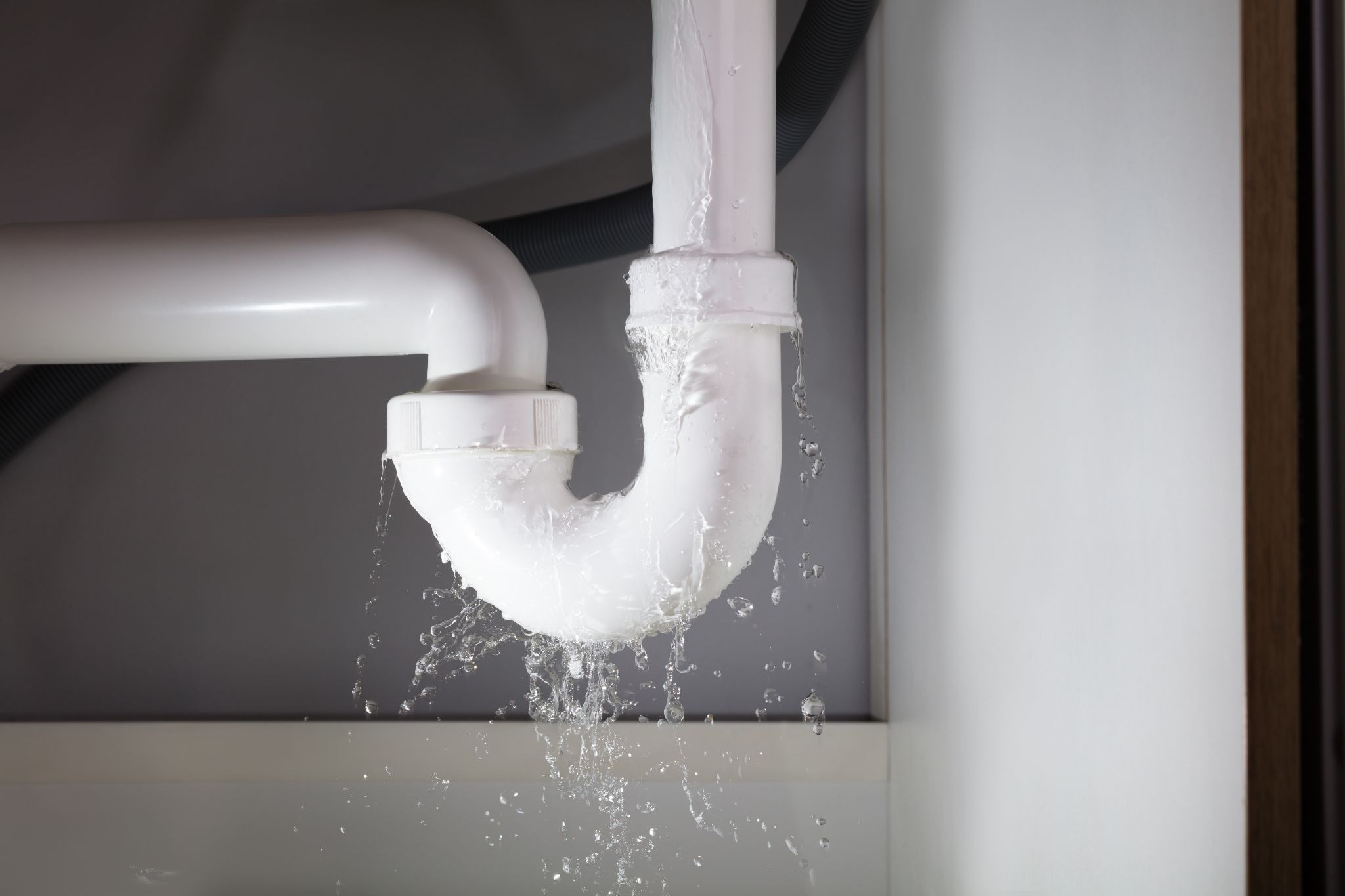
Leaks divert water from its intended destination, reducing pressure at your fixtures. Even small leaks can have a noticeable impact. Prompt repair prevents further damage and restores normal flow.
Too Many Appliances Running at Once
Running multiple water-using appliances at the same time can strain your home’s water supply. Staggering laundry, dishwashing, and showering can help maintain consistent pressure.
Partially Closed Main or Fixture Valves
If the main shutoff valve or individual fixture valves are not fully open, water flow becomes restricted. Checking and adjusting these valves is a simple but often overlooked solution.
Faulty Plumbing Fixtures
If low pressure occurs only at one sink or shower, the fixture itself may be the issue. Clogged aerators, cartridges, or debris inside the fixture can limit flow.
Diagnosing Low Water Pressure
Diagnosing the cause of low pressure requires examining both your home’s plumbing and the municipal supply. Check for leaks, verify that valves are fully open, and use a pressure gauge to test pressure levels. If the issue is isolated to one fixture, the problem is likely specific to that location.
When to Call a Professional
While minor adjustments can sometimes solve the issue, widespread or persistent low pressure typically requires professional help. If you cannot determine the source or if the entire home is affected, a licensed plumber can identify and repair the underlying problem.
Preventative Measures
Preventing low water pressure involves maintaining your plumbing system. Regular inspections, leak checks, and fixture cleaning can reduce the chance of future issues. In hard water areas, installing a water softener helps prevent mineral buildup inside your pipes.
Restore Strong Water Flow With All A’s Plumbing and Heating in Randolph, NJ
If low water pressure is affecting your home in Randolph, NJ, the team at All A’s Plumbing and Heating is ready to help. Our experienced professionals will diagnose the cause, perform necessary repairs, and restore reliable water flow. Contact us today at 973-252-6233 or fill out our online form to schedule service and get your plumbing system running at its best.

Recent Comments