
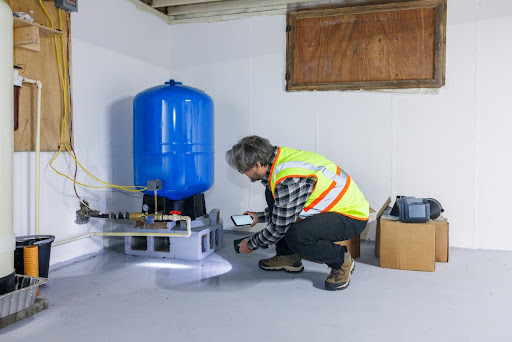
Pressure tanks are essential components in residential well water systems, providing consistent water pressure and reducing the wear on your well pump. In well systems, a pressure tank acts as a buffer: it stores water under pressure so your pump does not need to run every time you turn on the faucet. This maintains a steady flow throughout your home and prevents frequent cycling, which can shorten the lifespan of the pump. For homeowners relying on well water, understanding how these tanks function ensures that your plumbing system remains reliable throughout the year and particularly resilient through New Jersey’s seasonal weather changes.
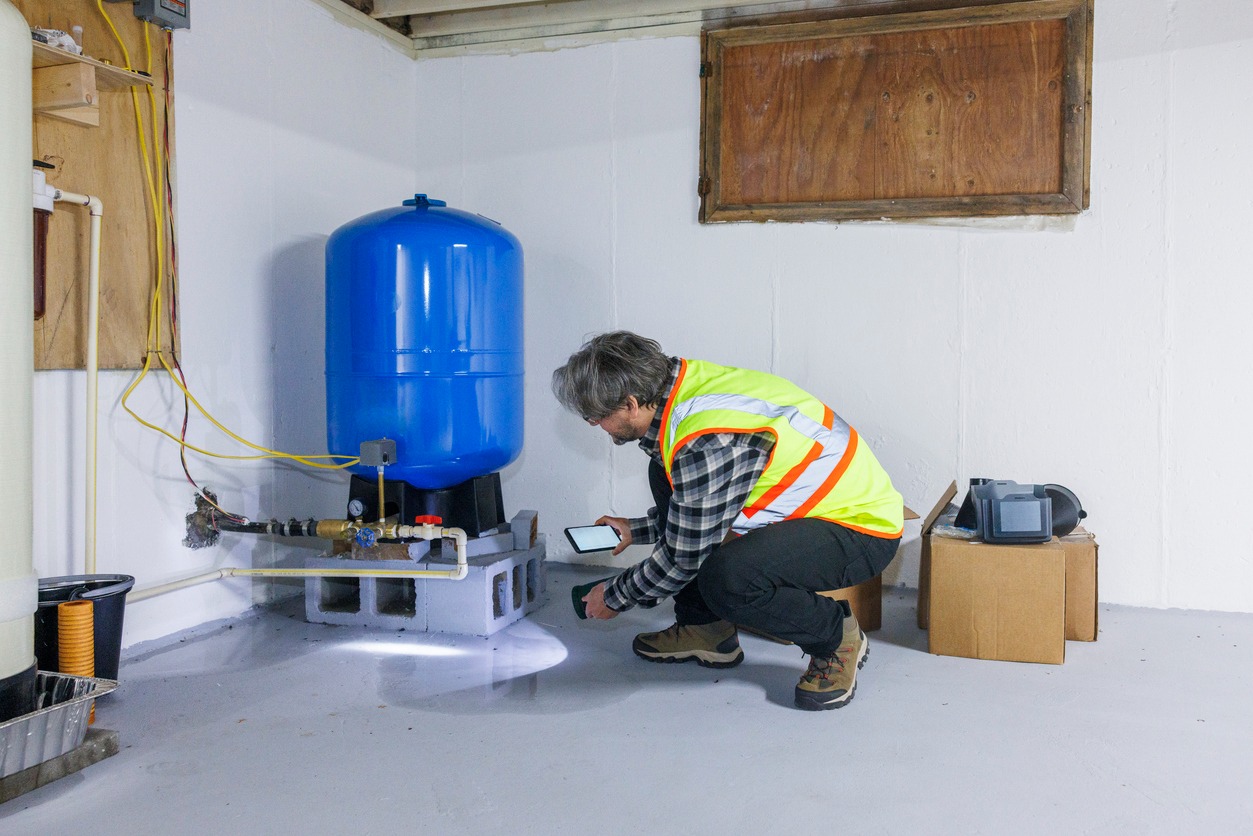
The Role of Pressure Tanks in Well Water Systems
A pressure tank serves several critical functions in a well system:
-
Maintains constant water pressure for showers, appliances, and irrigation.
-
Reduces strain on the well pump by limiting how often it cycles on and off.
-
Provides a backup water supply during brief pump downtimes.
Inside the tank, there is an air chamber and a water chamber separated by a bladder or diaphragm. As water enters from the well, air compresses until the tank reaches the preset pressure. When a tap is opened, air pressure pushes water out without immediately engaging the pump.
Recognizing Signs That Your Pressure Tank Needs Service
Like any mechanical component, a pressure tank can develop problems over time, especially in areas with hard water or fluctuating temperatures like Morris County. Typical signs of a failing tank include:
-
Rapid pump cycling (short cycling), which can indicate a waterlogged tank or loss of air charge.
-
Noticeable drops in water pressure when multiple taps or appliances are used.
-
Visible leaks or corrosion at the tank base or connections.
-
Odd noises, such as the sound of water splashing inside, which can mean the bladder is damaged.
Sudden changes in water quality, like cloudy or rust-tinted water, can also signal that the pressure tank or internal components need immediate attention.
Maintenance Tips to Extend the Life of Your Pressure Tank
Preventative maintenance can minimize unexpected failures and support consistent well system operation. Homeowners should:
-
Regularly check the tank pressure using a pressure gauge, ensuring it matches the manufacturer’s recommendations.
-
Inspect the tank for signs of corrosion, dampness, or mineral buildup.
-
Monitor the performance of your well pump repairs and service at least annually.
-
Consider scheduling a well tank inspection service before periods of high water usage, such as during spring planting or summer irrigation.
In regions like northern New Jersey, where seasonal freezing and thawing can place extra stress on plumbing systems, paying attention to pressure tank performance during the winter and spring months is especially important.
The Importance of Professional Pressure Tank Service
Pressure tank diagnostics, repairs, and replacement require specialized knowledge, as improperly set pressure or DIY repairs can risk both system damage and water safety. Licensed plumbers can assess the condition of the air bladder, set the correct pressure, and recommend tank upgrades when an older unit is no longer efficient. Partnering with a company offering emergency plumbing services ensures that sudden failures do not disrupt your household’s water supply.
Schedule Your Pressure Tank Service in Randolph, NJ
If you recognize any signs that your pressure tank may be failing, prompt action is crucial to avoid larger issues with your well water system. All A’s Plumbing and Heating serves Randolph, NJ with fast and reliable pressure tank maintenance, repairs, and replacement, drawing on years of local experience with well systems. To schedule service or request a free consultation, call 973-252-6233 or use the convenient online form on our website. Stay confident in your home’s water supply, reach out to All A’s Plumbing and Heating for all your residential well system needs.
Recent Comments